
Bali Travel Playbook
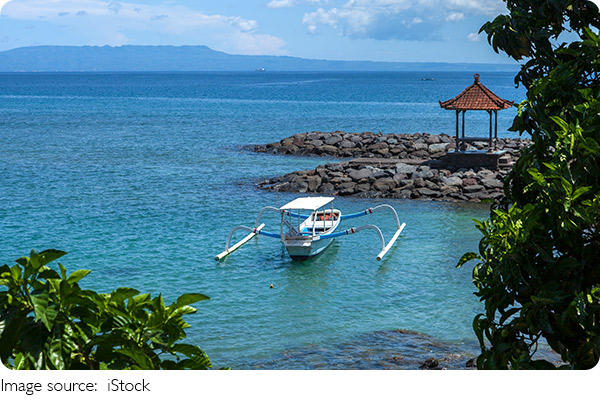
Bali remains one of Southeast Asia's most visited islands, yet many travelers underestimate how spread out its attractions are, how quickly traffic builds and how much timing determines experience quality.
This guide gives Lykkers a practical, decision-oriented plan focused on two aspects that matter most: choosing the right regions to explore and structuring movement so you avoid delays and crowded windows.
To illustrate this, the guide highlights three core areas representing Bali's diversity: cultural and inland sights around Ubud, coastal viewpoints around Uluwatu Temple, and the dramatic island terrain of Nusa Penida. You will learn when to go, how long to stay and how to avoid mistakes that cause time loss and fatigue.
Related
 Transport, costs, timing, and real tips for visiting Bolivia's red lake.
 Pearls, tides, camels, and crimson cliffs—your practical playbook for Broome’s coast, tours, costs, and timing.
 Sun-drenched shores and island dips with family-friendly trips—your easy guide to Myanmar’s sweet coastal secret.
 Surf Lakey, island-hop Kenawa, or trek Tambora—this guide maps your day with easy transfers and flexible rhythms.
 Hilltop fortresses, clifftop views, folk heritage, and leafy riverside strolls—Nitra charms without the crowds.
 Floating shores, endless horizons! Why do travelers leave amazed after one salty visit?
Choosing Where to Go and Planning Daily Logistics
1. Ubud: Best for culture, inland scenery and slower-paced exploration
Ubud sits inland and offers temples, rice terraces and artisan areas. It is ideal if you want a calmer environment than the southern beaches. The best time to visit is May–September, with less rain and cooler mornings. Avoid late December to early January if possible, as holiday traffic can double travel times.
Arrival logistics: From Ngurah Rai International Airport, a private car to Ubud costs 250–350k IDR and takes 60–90 minutes depending on traffic. Ride-hailing services are limited at the airport; book a fixed-rate driver.
Top practical sights:
• Tegallalang Rice Terrace: Arrive before 09:00 for cooler weather and fewer visitors. Entry 15–25k IDR, optional swings 150–250k IDR. Walking difficulty: mild, though steps can be slippery after rain. Time needed: 1–1.5 hours.
• Sacred Monkey Forest Sanctuary: Open 09:00–17:00, entry 80k IDR. Plan 1 hour. Keep belongings zipped; monkeys may grab loose items.
How long to stay? 2–3 nights gives enough time for temples, terraces and short nature walks.
Common pitfalls:
• Starting temple visits after 10:00—heat and crowds reduce enjoyment.
• Trying to combine too many inland stops; distances look short on maps but traffic is slow.
• Not pre-booking drivers during peak season—wait times increase significantly.
2. Uluwatu: Best for dramatic cliffs, evening activities and short coastal walks
Uluwatu sits on the Bukit Peninsula and offers some of Bali's most striking coastal viewpoints. It suits travelers who want strong scenery without long hikes.
Best time window: 16:00–18:00 for cliff views and sunset. Morning visits are possible but the lighting is stronger late afternoon.
Reaching Uluwatu: From Kuta, Seminyak or Canggu, expect 35–75 minutes by car depending on traffic. Standard taxi fares range from 120–220k IDR. Uluwatu Temple charges 50k IDR entry plus sarong rental if needed.
Pacing guidance:
• Arrive around 16:00.
• Walk the perimeter paths (30–45 minutes).
• Stay for sunset if weather is clear.
Walking difficulty: low to moderate; uneven stone paths but manageable for most visitors.
Common pitfalls:
• Arriving right before sunset—parking becomes congested, and you may miss viewpoints.
• Expecting short driving times from Ubud—traffic often makes it a 1.5–2 hour trip.
• Trying to schedule Nusa Penida on the same day—logistically unrealistic.
3. Nusa Penida: Best for dramatic coastal formations and a full adventure day
Nusa Penida is Bali's most visually striking excursion but requires careful planning. It suits travelers willing to handle early departures and rougher roads.
Ferry logistics: Boats leave from Sanur Harbour to Penida between 07:00–09:00, returning 15:00–17:00. Round-trip tickets typically cost 150–250k IDR depending on operator and season. Arrive 30–45 minutes early to check in.
Transport on the island: Roads are narrow and bumpy. Most travelers hire a private driver for 600–750k IDR per day. Scooter rental is possible but only recommended for experienced riders.
Key viewpoints:
• Kelingking: A must-see viewpoint, though the descent to the beach is steep and strenuous. Viewpoint time 20–40 minutes; descent not recommended for travelers with mobility concerns.
• Broken Beach + Angel's Billabong: Plan 40–60 minutes for both; paths are rocky but manageable.
How long to stay? A full day (10–11 hours) from Bali.
Best time: Early morning ferries for cooler and quieter conditions.
Common pitfalls:
• Booking late ferries—return boats sell out or face delays in rough weather.
• Trying to squeeze in too many stops; Penida's roads make fast pacing unrealistic.
• Not carrying enough water and sun protection.
Building a Smooth Bali Itinerary and Avoiding Timing Mistakes
Choosing the right sequence for your goals
Use this yes-or-no decision guide:
• Choose Ubud first if your priority is culture and slower days.
• Choose Uluwatu first if you want immediate coastal scenery after landing.
• Choose Nusa Penida only if you can handle early starts and longer travel days.
If you have 3–4 days, select two regions (Ubud + Uluwatu or Uluwatu + Penida).
If you have 5–7 days, include all three.
Recommended pacing:
• Day 1–2: Ubud
• Day 3: Nusa Penida
• Day 4: Uluwatu sunset
Movement strategy: avoiding delays and maximizing comfort
Transportation is Bali's biggest challenge. Follow these guidelines:
• Pre-book drivers; do not rely on last-minute ride-hailing, especially in Ubud or at night.
• Start major activities before 09:00 to avoid congestion.
• Expect travel times to double on weekends or national holidays.
Specific timing rules:
• For Tegallalang: arrive before 09:00.
• For Uluwatu: arrive by 16:00.
• For Nusa Penida: choose 07:00–08:00 ferries only.
Common timing mistakes:
• Scheduling Ubud and Uluwatu back-to-back in one day.
• Booking Penida the morning after a late flight—fatigue reduces safety and enjoyment.
• Underestimating airport travel time; leave Ubud minimum 4 hours before departure.
Weather, safety and packing essentials
Bali's dry season (May–September) offers the best conditions. The wet season brings heavy afternoon showers, so plan indoor activities after 14:00.
Bring:
• Light layers for Ubud's cooler nights
• Sun protection for Penida and Uluwatu
• Walking shoes for terraces and rocky paths
• Water bottle and small snacks for long travel days
Avoid:
• Expecting short walks everywhere—Penida especially has uneven terrain.
• Ignoring hydration—heat index rises rapidly in coastal zones.
Budget planning and realistic costs
Daily cost estimates:
• Drivers: 500–750k IDR per day
• Meals: 30–80k IDR depending on area
• Attraction tickets:
– Tegallalang 15–25k IDR
– Uluwatu 50k IDR
– Penida viewpoint fees 5–25k IDR
Transportation:
• Airport to Ubud or Uluwatu: 250–350k IDR
• Ferries to Nusa Penida: 150–250k IDR round-trip
What is worth paying for:
• Private Penida driver (saves hours)
• Early-morning pick-ups to avoid traffic
• Staying in central Ubud to reduce transfer times
Complete loop: arrival → movement → experience → exit
A clean Bali travel loop looks like this:
Arrival: Land and transfer directly to your first region.
Movement: Start each day early; pre-arrange all drivers.
Experience: Visit main sights before midday; rest or enjoy slow activities later.
Exit: Leave ample time before flights or ferry connections.

Bali rewards travelers who plan around timing, geography and seasonal patterns. Ubud offers cultural depth, Uluwatu delivers dramatic coastal views and Nusa Penida provides one of Indonesia's most striking day trips—if approached with smart pacing. By choosing the right sequence, booking transport early and avoiding peak-crowd windows, you can build a smooth, meaningful and well-organized Bali adventure. Use this guide as your practical blueprint to explore Bali with confidence and clarity.