
Sun-Safe Beach Tips
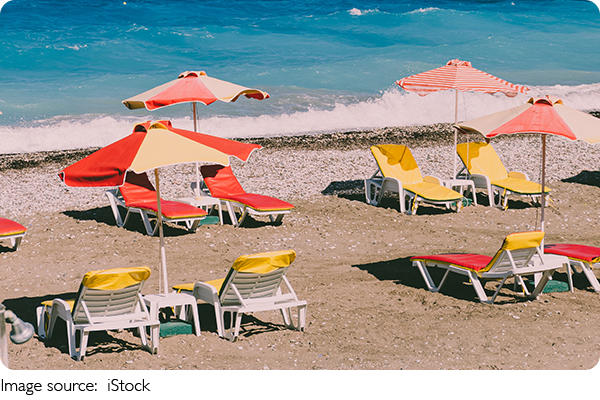
The sound of waves lapping the shore and the warm sun on your shoulders makes the beach irresistible. But as you stretch out on the sand, the sun's rays are doing more than just warming your skin—they're affecting it at a cellular level.
Protecting yourself from sunburn and long-term damage doesn't have to mean missing out. With the right approach, you can enjoy hours of sunbathing while keeping your skin safe and healthy.
Choosing the Right Sunscreen
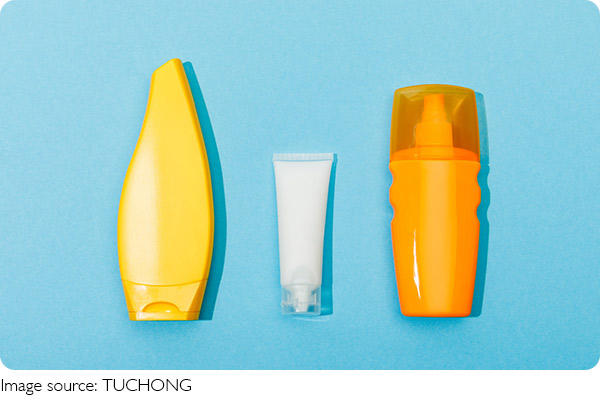
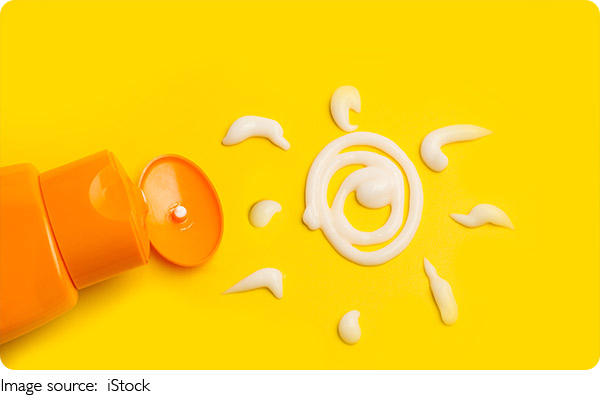
Sunscreen is your first line of defense against harmful UV rays. Picking the right one and applying it correctly is crucial.
1. Broad-spectrum protection – Look for sunscreens that protect against both UVA and UVB rays. UVA rays age the skin, while UVB rays cause burns.
Related
 Streaky makeup? These brushes blend smooth, pick up product right, and level up every look!
 Greasy roots again? Skip wash day! Fresh lift, clean feel, quick fix that saves time!
 Stubborn makeup? Melt it off fast! No rubbing, clean skin feels soft after!
 Sun too strong? Protect fragile skin with gentle sunscreens! Stay safe, feel smooth, shine free!
 Want that perfect flush? This blush combo brings warm, cozy tones that last all day! Try it fast!
 Make it last? Lock the look! Sweat, shine, long hours—this keeps glam stuck on! Worth it?
2. SPF selection – SPF 30 is generally sufficient for most beach conditions, but SPF 50 offers extra protection if you have fair skin or plan to stay longer.
3. Reapplication schedule – Sunscreen needs to be reapplied every two hours, and immediately after swimming or heavy sweating.
Example: Before hitting the sand, apply a generous layer of SPF 30 sunscreen 20 minutes prior. Keep a small bottle in your beach bag for quick touch-ups after dips in the water.
Timing Your Sun Exposure
The time of day has a major impact on sun intensity. Planning your sunbathing schedule can reduce the risk of burns.
1. Avoid peak hours – UV rays are strongest between 10 a.m. and 4 p.m. If possible, schedule direct sun exposure for early morning or late afternoon.
2. Short sessions – Even outside peak hours, it's wise to rotate between sun and shade. 30–40 minute intervals can limit skin damage while still allowing a tan.
3. Monitor your skin – Watch for redness or tingling. These are signs that your skin is overexposed and needs a break.
Tip: Bring a wide-brimmed hat and umbrella to create your own shade when the sun is high, allowing you to enjoy the beach safely.
Protective Clothing and Accessories
Clothing can act as a physical barrier against UV rays, complementing sunscreen.
1. Lightweight fabrics – Loose, long-sleeved shirts and breathable pants offer coverage without trapping heat. Cotton and linen are ideal.
2. Hats and sunglasses – A wide-brimmed hat shields your face, neck, and shoulders. Sunglasses with UV protection prevent eye damage and reduce squinting.
3. UV-protective swimwear – Rash guards or swimsuits with UPF ratings provide extra defense, especially for kids or sensitive skin.
Example: Wear a light linen cover-up over your swimsuit and a hat while reading under the sun. This simple combination cuts UV exposure and keeps you comfortable.
Hydration and Skin Care
Sun exposure can dehydrate both your body and skin. Maintaining hydration supports overall health and enhances skin resilience.
1. Drink water regularly – Bring a reusable water bottle and sip frequently, even if you don't feel thirsty.
2. Moisturize after sun – Apply a gentle, fragrance-free lotion or aloe-based gel after swimming or at the end of the day. This helps repair minor sun damage and prevents dryness.
3. Cooling treatments – A quick rinse with cool water or a damp towel can soothe skin that feels hot or tight.
Tip: Infuse water with citrus or cucumber for a refreshing hydration boost while enjoying your beach day.
Extra Tips for Safe Sunbathing
Planning ahead makes sun protection effortless. A few extra precautions go a long way.
1. Seek shade strategically – Position yourself near natural cover like trees or use a beach umbrella to rotate between sun and shade.
2. Be mindful of reflective surfaces – Sand and water intensify UV exposure, so sunscreen and protective clothing are essential even in shaded areas.
3. Track time spent in the sun – Use a watch or phone timer to remind yourself when it's time to reapply sunscreen or step into shade.
Example: Set a timer for 45-minute intervals. When it rings, check your skin, reapply sunscreen, and move to a shaded spot. This simple habit prevents accidental overexposure.
Sunning on the beach can feel luxurious, but it comes with responsibility. By choosing the right sunscreen, planning exposure, wearing protective clothing, and staying hydrated, you can enjoy the warmth safely. These habits not only prevent burns but also reduce long-term skin damage, keeping your skin healthy and glowing. Next time you hit the sand, remember that smart sun habits make every beach day relaxing, fun, and worry-free.