
The Quiet Power of Flowers
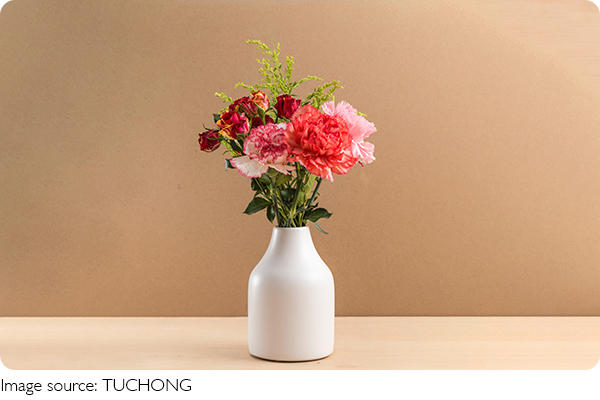
A small table near a window can change the mood of an entire room. Place a few fresh stems in a simple container, adjust them gently, and suddenly the light feels softer and the space more welcoming.
Flower arrangement isn't only decoration—it's a quiet form of storytelling made with color, shape, and balance.
Many people assume arranging flowers requires rare talent or expensive materials. In reality, the beauty often comes from careful observation and a few thoughtful choices. Once you understand the basic ideas behind structure and harmony, even a handful of garden blooms can feel intentional and expressive
Seeing shapes before choosing flowers
Strong arrangements begin with structure rather than color. Professional designers often picture an invisible outline first, then select stems that support that form.
Related
 Transform your home instantly with greenery and easy plant tricks
 Are You Aware of the Hidden Dangers of Lily of the Valley? This Heart-Toxic Plant Could Be in Your Garden!
 How to use seasonal blooms to brighten any space with style
 Simple solutions to make every bouquet look effortless and fresh
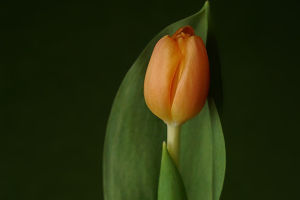 Discover the Magic of Tulips: Stunning Colors, Unique Shapes, and Easy Tips to Brighten Your Garden!
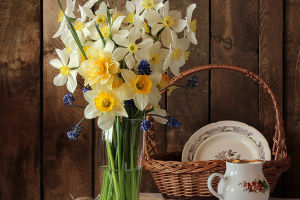 Watch How We Make Daffodils Bloom Indoors: Simple Water Cultivation Tips That Work Every Time!
Clear overall silhouette
Decide whether the arrangement should feel tall and airy, low and calm, or gently rounded. This single decision guides every later choice.
Balanced visual weight
Heavier blooms usually sit lower, while lighter stems extend outward or upward. This keeps the design stable to the eye.
Natural movement
Slight curves and varied angles prevent stiffness. Flowers rarely grow in straight lines, so arrangements shouldn't look rigid either.
Actionable example: Before placing any stems, hold an empty container at arm's length and trace the imagined outline in the air. This quick gesture helps you stay consistent while arranging.
Color harmony that feels effortless
Color draws attention first, but harmony keeps people looking longer. Thoughtful combinations create calm instead of confusion.
Limited color palette
Using two or three main shades usually feels more elegant than mixing many bright tones together.
Soft transitions between hues
Gentle shifts—such as pale pink moving toward cream—help the eye travel smoothly across the design.
Touches of contrast
A small accent in a deeper or brighter shade adds energy without overwhelming the arrangement.
Actionable example: Gather flowers in similar tones from a local market or garden, then add just one darker bloom near the center. Notice how a single contrast point creates focus.
Choosing the right container
The container quietly shapes the entire composition. Its height, width, and texture influence how flowers appear once placed.
Proportion between vase and stems
A common guideline is that flowers extend about one and a half times the container's height. This keeps the design visually comfortable.
Opening size and stem support
Narrow openings hold stems upright, while wider bowls allow relaxed, spreading forms.
Material and surface mood
Smooth glass feels light and modern, while textured ceramic suggests warmth and calm.
Actionable example: Try arranging the same group of flowers in two different containers—one tall and one low. Comparing them side by side quickly reveals how much the vessel changes the mood.
Simple techniques that professionals use
Behind graceful arrangements are small, practical methods that improve freshness and stability.
Angled stem trimming
Cutting stems diagonally increases the surface area that absorbs water, helping flowers stay fresh longer.
Removing hidden leaves
Any leaf below the waterline should be removed to keep the water clear and reduce early wilting.
Layering from large to small
Placing focal blooms first, then medium fillers, and finally delicate accents builds depth naturally.
Actionable example: After arranging, step back two full steps and look again. Distance reveals uneven spacing or crowded areas that aren't obvious up close.
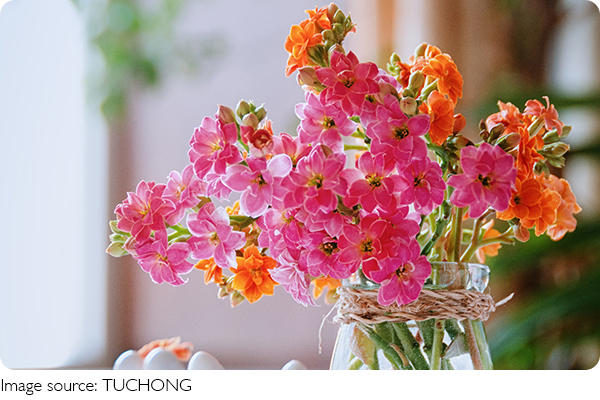
Creating emotion through negative space
What you leave empty can matter as much as what you include. Space allows each flower to breathe and be noticed.
Intentional gaps between stems
Small openings prevent the arrangement from feeling dense or heavy.
Direction that guides the eye
Empty areas can subtly point attention toward a focal bloom or graceful curve.
Calm atmosphere
Spacious designs often feel more peaceful than tightly packed bouquets.
Actionable example: Remove one or two stems from a finished arrangement and observe the difference. Less material often creates more clarity.
A thoughtful flower arrangement doesn't demand perfection. It grows slowly from observation, patience, and a willingness to adjust small details. Even five minutes of arranging can shift the feeling of a room and the rhythm of your day.
The next time you pass a stand of fresh blooms, consider bringing a few home—not to impress anyone, but to enjoy the quiet process of placing each stem with care. In that gentle moment of attention, ordinary flowers become something lasting, even if their beauty is only temporary.