
Winding Mountain Roads
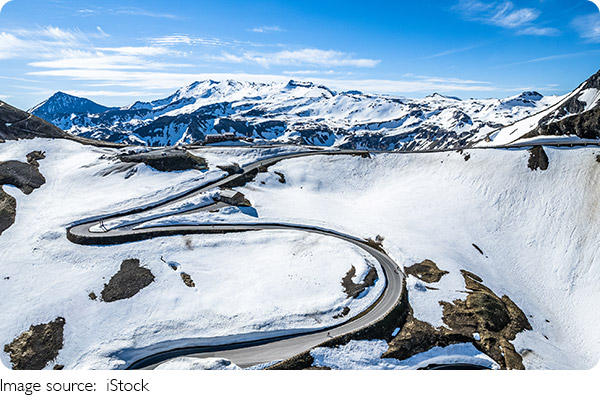
The first time you tackle a winding mountain road, the scenery can be breathtaking—and a little intimidating. Tight hairpin turns, sudden elevation changes, and narrow lanes can make even experienced drivers pause.
Yet with a few practical techniques and careful attention, these roads can become a rewarding part of any driving adventure.
Understand the Road Before Driving
Before setting off, it's important to get a sense of the route you'll be taking. Mountain roads often have varying degrees of curvature and steepness, so preparation is key.
Check the map or GPS
Review elevation changes and turn patterns. Many navigation apps provide warnings for sharp curves or steep gradients. Knowing these in advance allows you to plan where to slow down and when to maintain steady speed.
Related
 Step onto Budelli’s Pink Sands: Discover Sardinia’s Magical Beach That Feels Like a Dream Come True!
 Discover Glacier Bay! Your Complete Alaska Adventure Guide with Tickets, Tours, Accommodation, Dining, and Wildlife!
 Explore Munich Like a Local: Royal Palaces, Top Museums, Affordable Eats & Insider Tips for Your Best Bavarian Adventure!
 Discover Atrani: The Hidden Amalfi Coast Village With Stunning Views, Quiet Beaches, and Authentic Italian Charm!
 A calm Alpine base with big views and fewer crowds.
 Wondering how to explore Haiti confidently and meaningfully?
Observe weather conditions
Rain, fog, or wet leaves can make hairpin bends extra slippery. For example, even a short stretch of mist can reduce traction noticeably, so always reduce speed and increase following distance during poor visibility.
Practical tip
Arrive with enough fuel and ensure your tires are in good condition. Winding roads can put extra strain on brakes and tires, so being prepared helps avoid surprises.
Mastering the Braking Technique
Braking effectively is crucial on mountain roads, especially when descending. Misjudging speed can lead to skidding or overuse of brakes.
Use engine braking
Shift to a lower gear when going downhill. This allows the engine to help control speed, reducing wear on brake pads. For instance, if you're driving an automatic, manually selecting a lower gear can give more control on steep sections.
Brake before curves, not in them
Apply brakes while approaching a turn, then release slightly as you enter the curve. This keeps the car stable and prevents understeer or oversteer.
Practical example
On a particularly tight hairpin, slow down to about 20–25 km/h before entering, then gradually accelerate once you're midway through the curve. This method keeps the vehicle balanced and minimizes abrupt movements.
Steering and Lane Position
Proper lane positioning and steering are essential to navigate sharp bends safely.
Stay close to your lane's center
On narrow roads, hugging the lane center helps avoid going off-road or crossing into oncoming traffic. Always anticipate blind corners by moving cautiously and keeping the wheel steady.
Look through the turn
Focus your eyes where you want the car to go, not on the edge of the road. This technique helps your hands naturally guide the wheel along the curve, improving smoothness and accuracy.
Practical tip
For wide turns, consider the “apex” approach—enter the curve wide, clip the inside, and exit gradually. This reduces sharp steering angles and provides better traction.
Speed Management and Timing
Adjusting speed is one of the most overlooked aspects of mountain driving. Even experienced drivers benefit from a cautious approach.
Adapt to the road, not the vehicle
Even if your car handles well, tight curves require a slower pace than open roads. Start conservatively, then increase speed only when confident and conditions allow.
Maintain consistent momentum
Abrupt stops or sudden acceleration can unsettle the car on bends. Smooth, consistent motion reduces the risk of sliding on loose gravel or wet patches.
Practical example
On a 10-kilometer winding stretch, keep speed between 30–50 km/h depending on curve tightness. Use gentle braking and gradual acceleration rather than constant adjustments.
Handling Unexpected Situations
Mountain roads can throw surprises—oncoming traffic, fallen branches, or sudden wildlife crossings. Staying alert is vital.
Keep an escape plan
Always have a clear idea of where to maneuver if needed. Wider areas or shoulders offer space to pull over safely.
Be ready for vehicles around blind corners
Reduce speed and stay vigilant near curves. Using your horn in tight, low-visibility turns can alert oncoming drivers without startling them.
Practical tip
Carry emergency supplies: water, a first-aid kit, and a flashlight. In case of a breakdown on a remote mountain road, these essentials can make a significant difference.

Driving on winding mountain roads can be both thrilling and serene once you master the basics. It's about combining preparation, careful braking, smooth steering, and alert anticipation of what lies around each turn.
The next time you find yourself in a car climbing narrow switchbacks, remember these tips: pace yourself, respect the road, and enjoy the unique views only mountains can offer. Approaching each curve with focus not only keeps you safe but also lets you fully experience the peaceful rhythm of the winding trail.