
Understanding Cats
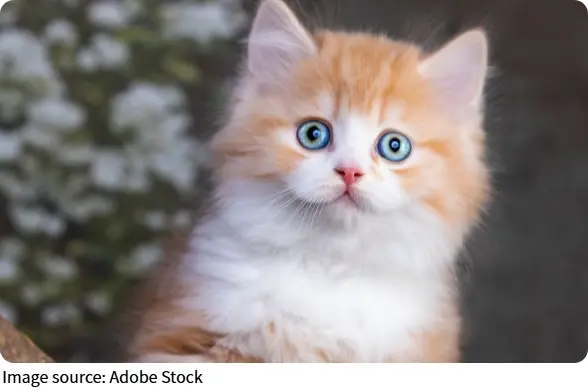
Cats are endlessly fascinating creatures, often leaving their human companions puzzled by sudden bursts of energy, mysterious stares, or the irresistible urge to rub against legs.
Observing a cat at home can feel like watching a small display of instinct and personality, with each movement and gesture conveying subtle messages. Understanding these behaviors can deepen the bond between humans and cats, revealing how they experience the world around them.
Common Cat Behaviors and Their Reasons
1. Rubbing Against People
Cats often rub against their owners’ legs, hands, or faces. This behavior is more than seeking attention; it is a way of marking territory. Cats have scent glands located on their cheeks and heads, and by rubbing, they leave their unique scent behind. This action communicates familiarity and comfort, signaling that the person or space is part of their safe territory. It can also be a gentle way of asking for affection while showing trust and emotional attachment.
Related
 Exploring the beauty, behavior, and symbolism of one of nature’s most striking birds
 Explore the quirky behaviors and unique traits of these vibrant birds
 How Feline Companionship Shapes Emotions and Builds Trust.
 Discovering how goats play, explore, and interact in daily life
 Understanding How Giraffes Interact, Communicate, and Form Bonds in the Wild
 Discovering the stealth, habits, and habitats of the world’s adaptable big cat
2. Chasing Light or Shadows
Many cats are mesmerized by moving light spots or shadows. This instinct comes from their natural tendency to track movement. Even domestic cats retain strong tracking instincts, responding quickly to fast-moving objects. Chasing these small stimuli provides mental stimulation and physical exercise, satisfying the cat’s curiosity and natural play drive. For indoor cats, this activity helps prevent boredom and keeps their reflexes sharp.
3. Nighttime Activity
Cats are naturally crepuscular, meaning they are most active during dawn and dusk. This pattern likely comes from the natural activity rhythms of their wild ancestors during low-light periods. Nighttime energy bursts are not necessarily misbehavior; they reflect the cat’s internal biological rhythm. Providing interactive play sessions before bedtime can help redirect this energy, ensuring both the cat and the household enjoy restful nights.
Psychological Signals Behind Behavior
1. Safety and Comfort
A cat curling up on a lap or resting nearby signals a sense of safety. Cats are vulnerable when they sleep, so choosing to rest close to humans indicates strong trust. Observing these behaviors allows owners to gauge their cat’s comfort and emotional wellbeing.
2. Independence and Curiosity
Cats often retreat to high shelves, hidden corners, or windowsills. This behavior reflects a combination of curiosity and instinctive need to observe surroundings from a safe vantage point. Recognizing this helps owners provide enriched environments, such as climbing towers or window perches, to satisfy exploration needs.
3. Emotional Regulation
Purring, kneading, and grooming are self-soothing actions that signal contentment and help relieve stress. A cat’s consistent purring while rubbing against an owner indicates a positive emotional state. Conversely, sudden aggression or hiding may indicate anxiety or discomfort, reminding owners to monitor environmental stressors.

Daily Interaction and Understanding
1. Offer Toys and Interactive Play
Engaging cats with toys that mimic quick movement satisfies their natural play instincts and reduces destructive behavior around the home. Laser pointers, feather wands, or small balls can create stimulating play sessions.
2. Observe Body Language
Tail flicks, ear positions, and eye dilation provide clues to a cat’s mood and reactions. Understanding these signals improves communication and fosters a harmonious cohabitation.
3. Provide Safe Spaces
Cats appreciate predictable routines and quiet corners. Elevated resting spots and cozy hiding areas allow them to manage stress naturally, reducing unwanted behaviors caused by anxiety.
Observing and understanding a cat’s daily behaviors is like learning a new language. Each rub, leap, or nighttime sprint carries meaning shaped by instinct and emotion. By appreciating these subtle cues, owners can create an environment that respects the cat’s natural rhythms while strengthening mutual trust and companionship. In the end, these small gestures—whether a gentle head bump, a sudden dash, or a warm curl on your lap—become the quiet but profound moments that define the human-cat relationship.