
Role of Cellular Molecules!
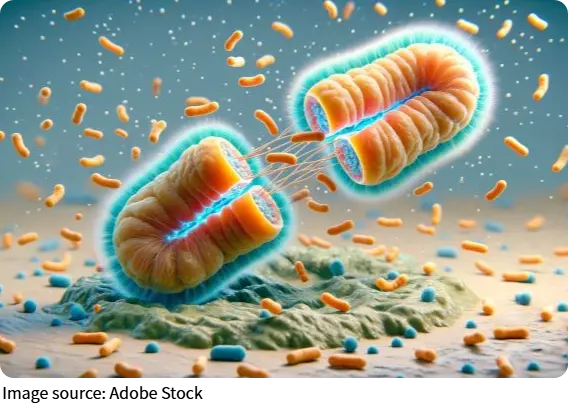
Cellular life depends on a tightly coordinated network of macromolecules that govern structure, energy flow, communication, and information transfer within the cell.
Nucleic acids, proteins, lipids, and carbohydrates operate in integrated systems that sustain biochemical balance and adapt to internal and external changes.
When these molecular systems function efficiently, cellular stability is preserved; when disrupted, a wide spectrum of chronic conditions and degenerative processes may emerge. Understanding these molecular foundations provides insight into how biological systems maintain equilibrium and how targeted interventions can address dysfunction at its source.
Fundamental Cellular Molecules and Their Functional Roles
Related
 The Hidden Reason Gold Still Controls the World Economy
 Could your teeth signal hidden health issues? Learn what they’re warning you about!
 Struggling to rest? Find out how certain tunes could transform your nights instantly!
 The Real Reason Investors Fail Has Less to Do With Stocks Than You Think
 The E-Learning Money Formula That Keeps Platforms Growing Year After Year
 The Life Changes That Could Quietly Reshape Your Taxes
Nucleic Acids (DNA and RNA)
Deoxyribonucleic acid (DNA) encodes hereditary information that determines cellular structure and activity, while ribonucleic acid (RNA) mediates the expression of that information through transcription and translation mechanisms. DNA sequences act as long-term information storage, whereas various forms of RNA—including messenger RNA (mRNA), transfer RNA (tRNA), and regulatory RNAs—coordinate protein synthesis and gene expression control.
Proteins
Proteins represent highly versatile macromolecules responsible for catalysis, structural integrity, and intracellular communication. Enzymatic proteins accelerate biochemical reactions by lowering activation energy barriers, enabling metabolic pathways to proceed at biologically relevant rates. Structural proteins contribute to the organization of cellular architecture, while receptor proteins embedded in membranes detect external signals and initiate intracellular cascades.
Lipids
Lipids serve as both structural and energetic components. Phospholipids form bilayer membranes that define cellular boundaries and regulate selective permeability. Cholesterol and related sterols modulate membrane fluidity and stability. Triglycerides function as dense energy reservoirs, stored and mobilized according to metabolic demand.
Carbohydrates
Carbohydrates provide immediate and stored energy through monosaccharides like glucose and polysaccharides such as glycogen. Beyond energy metabolism, carbohydrate structures on cell surfaces—often attached to proteins and lipids—play roles in molecular recognition, adhesion, and signaling. These glycosylated molecules contribute to the specificity of cellular interactions, enabling cells to identify and respond appropriately to their environment.
Core Cellular Processes Supporting Biological Stability
Energy Transformation via ATP
Adenosine triphosphate (ATP) functions as a central energy carrier that powers cellular activities, including biosynthesis, transport, and mechanical work. Energy is generated through coordinated metabolic pathways that extract usable energy from nutrients. Disruptions in these pathways can impair ATP availability, affecting processes that require sustained energy input.
Intercellular and Intracellular Communication
Cells rely on chemical messengers such as hormones, neurotransmitters, and cytokine-like signals to coordinate responses. These molecules bind to specific receptors, triggering signaling cascades that regulate gene expression, enzyme activity, and cellular behavior. Signal transduction pathways often involve phosphorylation events and second messengers, forming amplification systems that ensure precise and timely responses.
Selective Transport Mechanisms
Membrane transport proteins regulate the movement of ions, metabolites, and macromolecules across cellular boundaries. Channels, carriers, and pumps maintain concentration gradients essential for electrochemical balance and metabolic function. These transport systems enable nutrient uptake, waste removal, and maintenance of internal composition within tightly controlled limits.
Molecular Maintenance and Recovery Systems
Cells possess repair mechanisms that address molecular damage caused by environmental factors and metabolic byproducts. Enzymatic systems identify and correct structural abnormalities in nucleic acids and proteins. Antioxidant pathways mitigate oxidative stress, preserving molecular integrity and preventing cumulative damage that could impair cellular performance over time.
Molecular Dysregulation and Its Biological Consequences
Progressive Cellular Decline
Over time, molecular maintenance systems may become less efficient, leading to accumulation of damaged components, reduced energy output, and altered signaling fidelity. This gradual decline affects cellular responsiveness and adaptability, contributing to age-associated functional changes across tissues.
Metabolic Imbalance
Disturbances in nutrient processing and energy utilization can lead to improper regulation of glucose and lipid pathways. These imbalances affect how cells respond to available resources, potentially disrupting homeostasis and altering metabolic equilibrium.
Protein Misfolding and Aggregation
Errors in protein synthesis or folding can produce unstable or nonfunctional molecules. Accumulation of misfolded proteins may interfere with cellular processes, impair intracellular transport, and disrupt normal biochemical interactions, particularly in systems that rely heavily on precise protein function.
John Savill, MD, a leading researcher in cell and molecular biology, writing in a clinical‑science journal. He said: “Molecular techniques have revolutionised our knowledge of cell and tissue function in both health and disease.”
Cellular function is governed by an interconnected system of macromolecules that manage genetic information, structural organization, energy utilization, and communication. Advances in molecular science continue to deepen understanding of these processes, enabling more precise approaches to restoring and maintaining cellular integrity.