
Love Your Houseplants
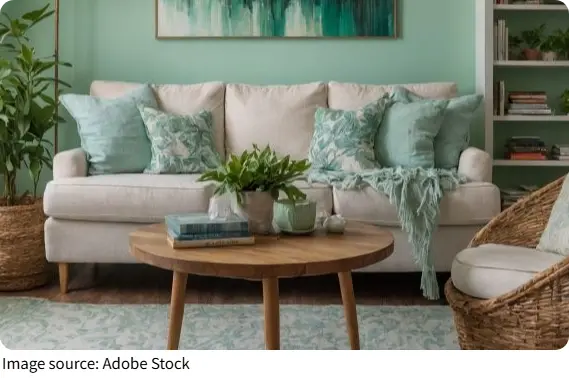
Bringing houseplants into your home is like inviting a little piece of nature indoors.
Their greenery brightens rooms, freshens the air, and creates a calming atmosphere. But while plants give so much to our living spaces, they cannot tell us when they are stressed or what they truly need.
Many people assume houseplants only require occasional watering, yet proper care involves a little more attention. With the right habits, your plants can grow stronger, fuller, and more vibrant. Seasonal changes, especially colder and drier indoor conditions, can make life more challenging for them. This is why now is the perfect time to show your plants some extra care.
If you want your indoor plants to thrive rather than simply survive, a few thoughtful adjustments can make a big difference. The following practical tips will help you pamper your plants and keep them healthy for years.
Related
 Turn simple crafts into unique touches that make your space truly yours
 Transform Your Space with Color, Layout, and Smart Decor Choices
 Want to protect your garden naturally—without harming bees, soil, or the planet?
 Ever wondered what keeps rivers alive and thriving beneath the surface?
 From grandma vibes to cabbage décor—TikTok is reshaping how homes look
 From Air to Soil: How Daily Choices Affect Nature
Boost the Environment
1. Increase humidity
Many popular houseplants originally come from tropical regions where warm temperatures and moist air are common. Indoor environments, especially during cooler months, often become dry due to heating systems. This dry air can stress plants and cause leaf edges to turn brown. A simple pebble tray can help. Fill a shallow tray with small stones, add water, and place your plant on top. As the water slowly evaporates, it raises humidity around the plant, creating a more comfortable environment for tropical species.
2. Use a moisture meter
Watering sounds easy, but it is one of the most common reasons houseplants struggle. Too much water may cause root rot, while too little can leave plants weak and dehydrated. A moisture meter eliminates the guesswork. By inserting the probe into the soil, you can see whether the soil is dry, moist, or wet. This helps ensure you only water when the plant truly needs it.
Improve Daily Care
1. Choose better water
Not all water is equally beneficial for plants. Tap water can sometimes contain chemicals like chlorine that may affect sensitive species. In colder seasons, tap water can also be quite chilly, which may shock plant roots. A simple trick is to fill your watering container and leave it uncovered overnight. This allows the water to reach room temperature and lets some chemicals dissipate. Collected rainwater is another gentle and natural option for many houseplants.
2. Adjust the lighting
Light is one of the most important factors for plant health. While many indoor plants tolerate lower light levels, each species still has its own preference. Some plants thrive in bright, indirect light, while others grow best in shaded corners. When plants do not receive enough light, they may stretch toward windows and develop thin, weak stems. Learning the lighting needs of your plants and positioning them accordingly can dramatically improve their growth and appearance.
3. Clean the leaves regularly
Dust naturally settles on surfaces throughout the home, including plant leaves. When this dust builds up, it can block tiny pores on the leaves and interfere with photosynthesis. This reduces the plant's ability to absorb light and manage moisture. Gently wiping the leaves with a damp cloth removes dust and helps the plant function more efficiently. It also keeps foliage looking vibrant and glossy.
Houseplant care does not need to be complicated. Small, thoughtful actions can significantly improve the health and longevity of your indoor greenery. By increasing humidity, monitoring soil moisture, using better water, optimizing light, and keeping leaves clean, you create a more supportive environment for your plants.
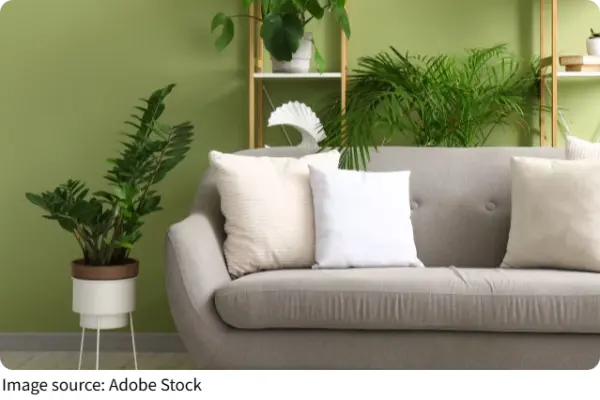
With consistent attention and a little patience, your plants will reward you with lush growth and a refreshing presence in your home. Taking time to care for them is not only beneficial for the plants themselves, but also adds beauty, calm, and vitality to your living space.