
Tulip Daily Joy
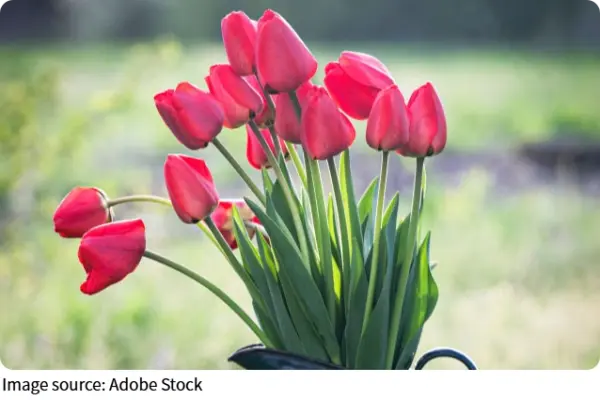
Tulips are more than just beautiful flowers—they bring color, life, and a touch of elegance to any space.
Today, we are going to explore everything about tulips—from how they look to the best ways to care for them. By the end, we hope you feel inspired to grow and enjoy them in your own garden.
Origin and Names
Tulips, also known as foreign lilies, musk tulips, or scented tulips, are perennial herbaceous plants. They symbolize love, elegance, beauty, blessings, and eternity—so planting them is like inviting all of these qualities into our lives.
Bulb Characteristics
Tulips grow from bulbs, which are either conical or flattened. The outer skin is papery, while the inner part has sparse hairs at the top and base. These bulbs store the nutrients needed for the plant to bloom, making them essential for a successful flowering season. When planting tulips, handle the bulbs gently and plant them at the right depth to ensure stronger stems and more vibrant flowers.
Related
 How Nelumbo nucifera grows from muddy waters into a symbol of calm, strength, and renewal.
 How Slow Observation of Nelumbo nucifera Transforms Time, Space, and Awareness
 Why Lawns Burst with Color, How to Care for Crocuses, and the Meaning Behind Mass Plantings
 Small field changes that can quietly double your harvest.
 Discover how a tiny bud transforms into a stunning floating bloom
 Discover the Secret Powers of This Simple Plant That Transforms Our Home, Health, and Happiness Instantly!
Leaf Features
Tulip leaves are long, lance-shaped or oval-lance-shaped, usually numbering three to five per plant, though sometimes six or seven. They are a deep green color with narrow white edges, adding extra charm even before the flowers bloom. Healthy leaves are a good sign that the plant is absorbing enough sunlight and nutrients, which is crucial for a strong flower display.
Flower Stems and Blooms
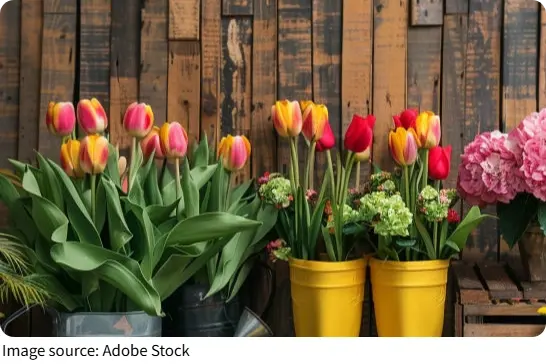
The tulip stem is upright and usually bears a single flower, though occasionally there are two. Stems can be hairless or have sparse soft hairs. Tulip flowers are large and vibrant, coming in red, white, yellow, pink, purple, and orange. The cup-shaped blooms consist of six petals: three outer sepals and three inner petals forming the crown. Some have dark markings at the base. With six stamens and smooth filaments, they are as intricate as they are beautiful.
Blooming Season
Tulips mainly bloom in spring, with the exact timing depending on the variety and care. With proper sunlight, water, and soil, we can enjoy these stunning flowers for weeks, bringing brightness and freshness to any space.
Fruit and Seeds
Tulips produce capsule-like fruits that split open to release many flat, disc-shaped seeds with small wings. While many gardeners propagate tulips through bulbs rather than seeds for faster results, knowing how seeds form gives insight into the plant’s life cycle.
Ornamental Value
Tulips are famous ornamental flowers. Their wide range of colors, diverse shapes, and large, showy blooms make them perfect for parks, gardens, and flowerbeds. Planting tulips can instantly uplift any space and provide a focal point in landscape design.
Medicinal Potential
Tulip bulbs contain bioactive compounds that have antibacterial, anti-inflammatory, and mood-lifting properties. However, some varieties are toxic and should not be eaten without proper knowledge. This dual nature makes them interesting not only for beauty but also for scientific curiosity.
Soil and Planting
Tulips prefer loose, fertile, well-drained sandy loam. Mixing in organic matter like compost and some sand improves drainage and aeration. Planting in the right soil is the first step to healthy growth and vibrant blooms.
Sunlight and Watering
These flowers need 6–8 hours of direct sunlight daily. Choosing a sunny, ventilated spot ensures strong stems and full blooms. Tulips require moderate water—not too dry, not too wet. Maintaining slightly moist soil helps the bulbs thrive without risking root rot.
Temperature and Fertilizer
Tulips enjoy cool weather, ideally between 15–18°C (59–64°F). During hotter periods, shading and ventilation protect the plants. Fertilization is important: using balanced fertilizers rich in nitrogen, phosphorus, and potassium or organic compost supports growth and flowering. Regular feeding during the growing season ensures lush leaves and colorful blooms.
Wrapping Up
Tulips are not just beautiful flowers—they are a little reminder of joy and beauty in our everyday lives. By caring for them properly, we can enjoy their colors and elegance every spring. Let’s have fun planting, nurturing, and watching these blooms grow, bringing brightness to our gardens and happiness to our days.
How to Plant Tulips
Video by Longfield Gardens