
CR-V vs Rogue PHEV

Compact SUVs dominate American driveways for good reason: they blend affordability, versatility, and everyday comfort seamlessly. When hybrid efficiency enters the equation, the choice becomes even more compelling.
Two standout contenders—the 2026 Honda CR-V Hybrid and the 2026 Nissan Rogue Plug-in Hybrid—offer distinct approaches to electrified driving.
Which one deserves your keys? Let us break down their strengths, specs, and real-world value to help you decide.
Honda CR-V Hybrid Highlights
The CR-V helped define the compact SUV segment and remains a benchmark for balanced performance. Its hybrid variant delivers up to 40 mpg combined, making it a smart choice for fuel-conscious drivers.
Related
 Drive New for Less: Shockingly Affordable Cars Under $30K!
 How to Avoid Hitting Deer: Fall Driving Safety Tips
 Discover how modern vehicles use technology to safely control top speeds and protect engines.
 How to Maintain Your Vehicle for Safety, Reliability, and Longevity
 Why Weather Affects Safety Tech and What Drivers Need to Know
 How Freezing Temperatures Can Stop Your Car — and What You Can Do About It
TrailSport Edition
New for this model year, the TrailSport Hybrid adds standard all-wheel drive, all-terrain tires, and easy-clean interior surfaces. Priced mid-range within the CR-V lineup, it offers off-road readiness without a premium markup.
Refined Driving Experience
Smooth handling and distinct drive modes set the CR-V apart. Each setting feels purposeful, enhancing comfort on city streets or confidence on winding roads.
Strong Resale Value
Honda vehicles consistently rank among the highest for retained value. The CR-V recently earned a class-leading resale award, protecting your investment long-term.
Nissan Rogue PHEV Highlights
The Rogue Plug-in Hybrid represents a unique collaboration, sharing its foundation with the Mitsubishi Outlander PHEV. It brings plug-in flexibility to the compact SUV segment.
Plug-in Efficiency
Unlike the CR-V's traditional hybrid system, the Rogue PHEV can travel up to 38 miles on electric power alone. Plug it in overnight, and enjoy emission-free commuting around town.
Occasional Third Row
A rare feature in this class, the Rogue PHEV includes a compact, fold-away third seat. While not suited for daily passengers, it offers emergency seating for short trips.
Enhanced Power Output
With 248 horsepower, the Rogue PHEV delivers stronger acceleration than the CR-V Hybrid's 204 hp. Its powertrain feels eager, though handling leans more toward utility than sportiness.
Pricing & Value Comparison
Transparent pricing helps clarify the choice between these two efficient SUVs.
Honda CR-V Hybrid
• Sport: ~$37,000
• Sport L: ~$39,300
• TrailSport: ~$39,500
• Sport Touring: ~$42,800
Nissan Rogue PHEV
• SL: ~$45,900
• Platinum: ~$49,700
Prices include destination charges; tax, title, and license fees are additional. The CR-V Hybrid offers broader trim availability at lower entry points, while the Rogue PHEV positions itself as a premium plug-in option.
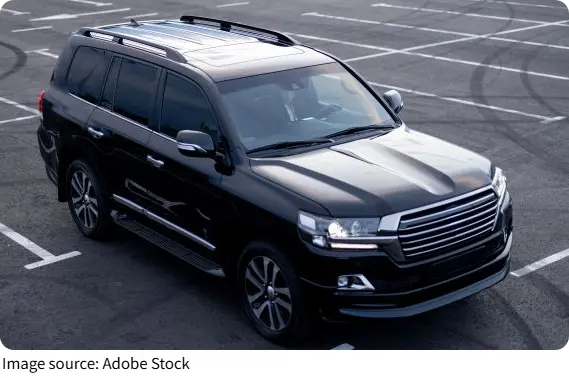
Both vehicles excel in different ways. The Honda CR-V Hybrid rewards buyers with polished refinement, proven reliability, and exceptional value retention. Its balanced character suits nearly any lifestyle without compromise. The Nissan Rogue PHEV appeals to those seeking plug-in flexibility, occasional extra seating, and stronger acceleration. However, its higher price and niche positioning may limit broader appeal.
Choosing between them ultimately reflects your priorities. If daily efficiency, long-term value, and seamless driving matter most, the CR-V Hybrid stands out. If electric-only commuting and versatile seating align with your routine, the Rogue PHEV deserves consideration.
Test drive both, compare real-world fuel costs, and envision how each fits your journey. In a market filled with choices, clarity comes from understanding your needs first. Drive confidently, knowing your selection supports both your lifestyle and the road ahead.