
Dolomites Travel Guide
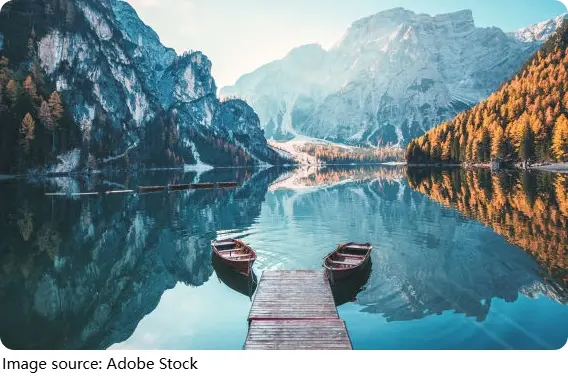
There are landscapes that photographs cannot fully prepare you for. The Dolomites in northeastern Italy is one of them.
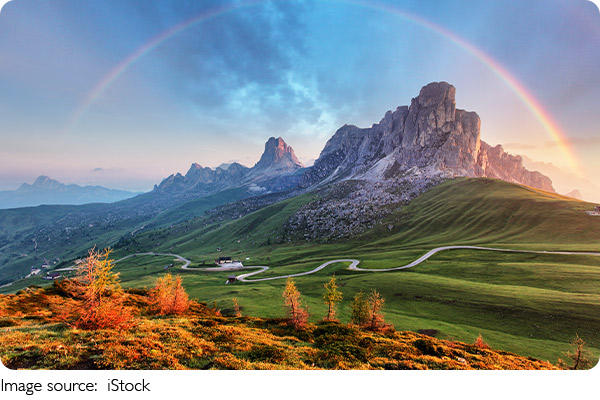
Jagged rose-gold peaks rising above green meadows, medieval villages sitting quietly at the base of cliffs that seem to belong to another planet — no filter, no wide-angle lens, and no amount of scrolling through travel images captures what it feels like to actually stand in this valley and look up. Here is how to plan a visit that does the place justice.
Getting There
The Dolomites are most conveniently accessed from two gateway cities: Bolzano to the west and Cortina d'Ampezzo to the east. Both are well-connected by train and road.
1. From Venice: Take a train to Calalzo di Cadore (approximately 3 hours, from $18–$35), then connect by regional bus to Cortina d'Ampezzo — the most popular base for eastern Dolomites exploration. Total journey time is approximately 4 hours.
Related
 Thailand's most photogenic island looks exactly like this — here's how to experience it properly
 This Swiss mountain village offers stunning Alpine scenery without the crowds — and it’s beautiful year-round
 Croatia's most stunning city looks even better in person — here's everything you need to know
 Explore the Spiritual Heart of Mount Koya at Kongobu-ji and Okuno-in
 Discover Ancient Artifacts and Cultural Treasures in the Heart of Tokyo
 Most tourists rush through it — here's how to actually experience one of the world's great urban parks
2. From Verona or Innsbruck: Direct trains run to Bolzano in approximately 1.5 to 2 hours from $15–$40. From Bolzano, regional buses and the SAD bus network connect all major valleys and villages throughout the Dolomites.
3. By car: Renting a car gives the most flexibility for reaching smaller villages like Santa Maddalena in the Val di Funes. The drive from Venice takes approximately 2.5 hours. Parking in the most popular areas fills quickly in peak season — arrive before 9am or after 5pm.
The SAD bus network covers most of the major routes across the Dolomites and is an economical option — a single journey between villages costs approximately $3–$8 depending on distance.
Dolomites
Opening Hours and Key Attractions
The Dolomites are a UNESCO World Heritage Site and function as an open landscape rather than a ticketed attraction — there is no entry fee to visit the mountains, valleys, or villages themselves. Specific attractions and facilities carry their own costs.
1. Cable cars and chairlifts: Most operate from late spring through early autumn and again during the winter ski season. A single cable car ride typically costs $15–$30 per person return. The Sass Pordoi cable car, rising to 2,950 metres above sea level, offers the most expansive panoramic views in the entire region.
2. Tre Cime di Lavaredo circuit: The most iconic hiking loop in the Dolomites — a 9.5-kilometre circular trail around three dramatic rocky spires. The Auronzo refuge road charges a road toll of approximately $30 per vehicle to access the trailhead by car. The trail itself is free and takes 3 to 4 hours at a moderate pace.
3. Santa Maddalena village: Free to visit and best explored on foot. The chapel of St. Magdalena, dating to the 17th century, is the photographic centrepiece of the Val di Funes and is open daily from approximately 9am to 5pm.
Best Time to Visit
Autumn — from early September through late October — is widely considered the finest season to visit. The larch trees that cover the valley slopes turn from green to vivid amber and gold during this period, creating the warm layered colour contrast that this landscape is most famous for. Crowds are noticeably thinner than in summer, temperatures are comfortable for hiking, and the quality of morning light on the peaks — the famous Dolomite alpenglow, which turns the rock deep orange and red at sunrise and sunset — is at its most dramatic under clear autumn skies.
Summer is busiest, with trail crowds peaking in July and August. Spring offers wildflowers and fewer visitors but some higher trails remain snowbound until June.
Where to Stay
Staying in one of the valley villages rather than a larger town transforms the experience — waking up inside the landscape rather than driving into it each morning makes an enormous difference.
1. Budget: Camping and mountain refuge huts (rifugi) throughout the Dolomites offer dormitory beds from approximately $35–$55 per night, often including breakfast. Rifugio Lavarella in the Fanes valley is a well-regarded option with views across the plateau.
2. Mid-range: Family-run guesthouses (pensioni) and agriturismo farms in the Val di Funes and Val Gardena offer double rooms from approximately $100–$180 per night, typically including breakfast. Many are working farms with direct mountain views.
3. Luxury: Rosa Alpina in San Cassiano is one of the finest mountain hotels in Europe, with rooms from approximately $450–$900 per night depending on season and room type. The hotel holds a Michelin-starred restaurant and direct ski-in, ski-out access in winter.
The Dolomites reward patience and early mornings in a way that few destinations do. The travellers who see this landscape at its best are not the ones with the best cameras — they are the ones who set an alarm for sunrise, drove a narrow road to a quiet valley, and stood in a cold meadow watching the peaks turn from grey to orange to gold before the first tour bus arrived. That version of this place is available to anyone willing to get up early enough. Will you be one of them?