
Bitcoin Energy Storage
What if money could do more than just store value—what if it could store energy? That's the intriguing idea behind Bitcoin as “economic energy storage.”
It might sound a bit abstract at first, but once you break it down, it offers a fresh way to think about both money and energy.
What Is Economic Energy Storage?
Every time you work, you use energy—physical or mental. Money is essentially a way to store that effort so you can use it later. Traditionally, currencies have served this purpose, but they can lose value over time due to inflation or policy changes.
Bitcoin introduces a different approach. It is scarce, decentralized, and not controlled by any government. More importantly, it is created through a process that requires real-world energy input, making it fundamentally tied to energy in a way traditional money is not.
Related
 How early should dental care start for kids? Simple habits help protect their smile now!
 Why do genes matter daily? They shape risks, treatments, and how your body responds!
 Gold or Silver: The Strategic Shift That Could Transform Your Precious Metals Return
 How Your Daily Spending Habits Are Now Deciding Whether You Get a Loan
 The Secret Financial Tool Millions Are Using to Break Free from Capital Controls
 Feeling fine but still tired? Hidden effects build up quietly over time!
How Bitcoin Connects to Energy
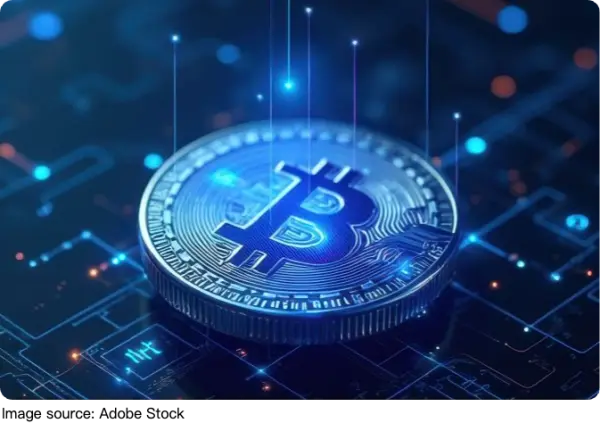
Bitcoin operates on a system called Proof-of-Work, where powerful computers solve complex problems to validate transactions. This process, known as mining, consumes electricity.
At first glance, this seems inefficient. But here's the twist: that energy isn't just “used”—it's transformed into something valuable. When energy is spent mining Bitcoin, it results in a digital asset that can be stored, transferred, or held over time. In this sense, Bitcoin acts like a bridge between energy and economic value.
Turning Excess Energy into Digital Value
One of the most interesting aspects of Bitcoin is its ability to make use of energy that might otherwise go to waste. In many parts of the world, energy is produced but not fully utilized. For example, renewable sources like wind or solar can generate more electricity than the grid can handle at certain times. Instead of letting that energy go unused, it can be redirected into Bitcoin mining.
This means surplus energy can be converted into Bitcoin—effectively turning unused power into stored economic value.
Expert Insight
Lyn Alden, a macroeconomic analyst known for her work on monetary systems and digital assets, said that Bitcoin mining can act as a flexible energy buyer, stepping in when there is excess supply and shutting down when energy is needed elsewhere. This flexibility makes it especially useful for renewable energy systems, which often struggle with inconsistency. Instead of wasting extra energy, Bitcoin allows it to be captured and preserved in a digital form.
Is Bitcoin Really Like a Battery?
Not exactly—but the comparison is helpful. A physical battery stores electricity directly. Bitcoin doesn't store electricity itself; instead, it stores the value created from using that electricity. Think of it less like a battery and more like a system that converts energy into a durable, transferable form of wealth.
This distinction matters, but the broader idea still holds: Bitcoin provides a way to preserve the economic value of energy across time and space.
Why This Idea Matters
Seeing Bitcoin as economic energy storage opens up new ways of thinking about both finance and infrastructure. It suggests that money doesn't have to be purely abstract—it can be grounded in something physical and measurable. It also hints at a future where energy production and financial systems are more closely linked.
For regions with abundant but underused energy, Bitcoin could become a tool for economic growth. For investors, it offers a new lens to understand why Bitcoin might hold value beyond speculation.
Bitcoin challenges many traditional ideas about money, and this concept is one of the most fascinating. By connecting energy with value in a direct way, it offers a new perspective on how wealth can be created and stored.
Whether you fully agree with it or not, thinking of Bitcoin as economic energy storage pushes the conversation forward—and that alone makes it worth exploring.