
Best Indoor Plant Soil Mix
Scoop some dirt from the backyard, put it in a container, plant something in it — seems logical. And it is, for the garden.
But container plants are a completely different situation, and garden soil in a container is one of the fastest ways to damage an indoor plant.
It compacts, it holds too much moisture, and it carries bacteria, insects, and unwanted plant seeds that have no business being inside.
Why Potting Mix Is Different From Garden Soil
A quality container mix does four things well: it supports the plant structurally, holds nutrients, allows water to drain through readily, and retains just enough moisture for root uptake. No single ingredient does all four of those things on its own. That's why good potting mixes are always a combination of materials, each contributing something specific. Most commercially prepared mixes sold for houseplants are actually soilless — meaning they contain no actual soil at all. That's not a marketing quirk; it's intentional. Soilless mixes are sterile, lightweight, and far easier to work with than anything containing native soil.
Related
 How to Design a Kids’ Room That Grows with Your Child – Tips You’ll Love!
 These 4 Zodiac Signs Are Set to Be Financial Powerhouses – Will You Be One of Them?
 Unlock the Secrets to a Perfect Garden: Expert Design Tips and Plant Pairings
 Choosing the Perfect Stroller: A Complete Guide
 Modern vs. Contemporary Art: What’s the Real Difference?
 From sensory to motor skills, baby toys add fun while boosting early development and learning!
The Core Ingredients to Know
Peat moss and coconut coir are the most common base materials. Both are absorbent and create a light, airy structure that roots can move through easily. Peat moss is the traditional choice, though coir has become popular as a more sustainable alternative — it's made from coconut husks, which are otherwise waste. If using coir, rinse it thoroughly before use to avoid soil salinity problems. Perlite is the white, lightweight granules you'll see in most commercial mixes. It improves drainage and keeps the soil from compacting over time, which is critical for root health. Vermiculite is similar but retains more moisture, making it better suited to plants that like consistently moist conditions.
Basic DIY Mix for Foliage Plants
For most common indoor foliage plants — ficus, coleus, sansevieria, begonia — a straightforward mix works well. Two parts peat moss, one part perlite, and one part coarse sand gives good drainage while retaining adequate moisture. Another reliable option is one part peat, one part pine bark, and one part perlite. Researchers at Clemson University have had strong results with a mix of two parts pine bark, one part peat, and one part sand, adjusted to a pH of around 6.0 with dolomitic limestone. With any of these basic mixes, supplemental fertilizer is necessary since the ingredients themselves don't supply significant nutrients.
The Cornell University Mixes
Two well-tested soilless mixes developed by Cornell University have become widely used benchmarks. The Cornell Foliage Plant Mix combines half a bushel of sphagnum peat moss with a quarter bushel each of vermiculite and perlite, plus dolomitic lime, superphosphate, and a balanced fertilizer. This formula suits ferns, ficus, philodendrons, and sansevierias particularly well. The Cornell Epiphytic Mix replaces some of the peat with ground Douglas fir bark and is better suited to bromeliads, cacti, dieffenbachia, hoya, and monstera. Both recipes can be scaled down for home use without issue.
Match the Mix to the Plant
Succulents and cacti need significantly more drainage than the average foliage plant. A higher proportion of coarse sand, perlite, or pumice — sometimes equal to or more than half the total mix — prevents the root rot that kills more succulents than anything else. Tropical plants that like consistently moist conditions, like ferns or prayer plants, benefit from a higher proportion of coir or peat in the mix to hold more moisture between waterings. Orchids and bromeliads are epiphytes — plants that grow in the air in nature — and need mixes made mostly of bark to allow maximum air circulation around roots. Using a standard potting mix for an orchid will cause the roots to rot in weeks.
When to Refresh the Soil
Potting mix degrades over time. The organic materials break down, the structure compresses, and nutrients get depleted. Most indoor plants benefit from fresh soil every one to two years, or whenever you repot. Signs that soil needs refreshing include water running straight through without being absorbed, the surface becoming hydrophobic, or the plant looking stressed despite correct care.
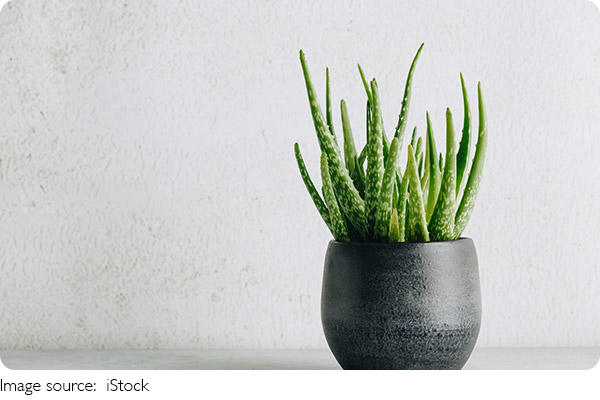
Choosing the right potting mix is one of the most important parts of successful indoor plant care. Different plants have different needs, and using the proper combination of materials helps roots stay healthy, balanced, and well-aerated. By understanding how potting mixes work and refreshing them regularly, indoor plants can continue to grow strong and thrive for years.