
Why Skin Moisture Matters
Hi, Lykkers!
If your skin looks dull, feels tight, or seems a little tired, it may simply need more moisture. With busy schedules, skincare is often overlooked, but keeping your skin hydrated is one of the simplest and most effective ways to maintain a healthy, comfortable complexion. Here's why moisturizing matters more than you might think.
What Exactly Is Skin Hydration?
It is easy to mix up hydration and moisturization, but they are actually two different things working together. Hydration refers to the water content in your skin, and it is the moisture your skin holds that helps it remain plump, supple, and glowing. Moisturization, on the other hand, is the process of sealing that water into your skin, creating a protective barrier to prevent water loss. Think of it as quenching your skin's thirst first, then locking all that goodness in. If your skin lacks hydration, no amount of moisturizer will be able to keep your skin feeling smooth for long.
Related
 How many mascaras is too many?! Take a look at every tube I own!
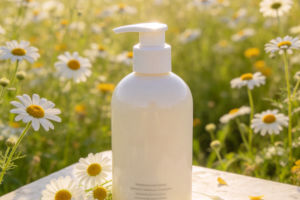 Soft, smooth skin all day? My favorite lotions keep dryness away!
 Worth the hype or not? My honest thoughts after the first wear!
 Dry ends or frizz control? Choosing the right oil makes all the difference!
 From subtle shine to glass-like lips?! My favorites cover every mood!
 Which formula gave better results?! The difference was easier to spot than expected!
What Happens When Your Skin Is Dehydrated?
Your skin has a way of letting you know when something is off. Dehydrated skin presents several warning signs: tightness, flaking, more visible wrinkles, and loss of elasticity. These symptoms can affect both dry and sensitive skin and seemingly normal skin. When your skin lacks hydration, it signals distress in multiple ways: increased sensitivity and irritation as the moisture barrier weakens, fine lines that appear more pronounced, a dull and uneven tone that looks lackluster and fatigued, and even breakouts as the skin overcompensates by producing excess oil, leading to clogged pores and acne. So if you have been dealing with unexpected breakouts or rough patches lately, dehydration might actually be the root cause.
Why Moisturizing Is a Must for Every Skin Type
Here is something a lot of people get wrong: they think moisturizing is only for dry skin. That is simply not true. All skin types need hydration. Even oily skin can benefit from lightweight, oil-free moisturizers. Skipping moisturizer can actually cause the skin to produce more oil to compensate for the lack of hydration, leading to breakouts. And it is not just a seasonal thing either. Your skin needs moisture all year round. In fact, sun exposure during the summer months can dehydrate the skin, making moisturizing just as crucial.
The Right Way to Layer Your Skincare
Getting the most out of your products is all about applying them in the right order. Apply from thinnest to thickest consistency: light serums absorb first, while thicker creams seal in moisture. Use water-based serums before oil-based products, as humectants like hyaluronic acid draw in moisture while oils lock it in. Even oily or acne-prone skin benefits from a non-comedogenic moisturizer to finish. Timing matters too. Immediately after showering, while your skin is still damp, apply a moisturizer all over your body. Taking advantage of the still-wet state of your skin helps seal in moisture and enhances the product's effectiveness.
Key Ingredients to Look For
Not all moisturizers are created equal, so knowing what to look for on the label really helps. Look for ceramides, hyaluronic acid, lipids and fatty acids in your skincare products. These ingredients are known for their actions to respect the skin barrier and maintain hydration. For those with drier skin, look for thicker creams containing ingredients like hyaluronic acid, glycerin, ceramides, or shea butter to lock in moisture and repair the skin barrier. For oily or acne-prone skin, opt for lightweight, oil-free, or gel-based moisturizers that won't clog pores. Non-comedogenic products with niacinamide can help balance oil production while keeping the skin hydrated.
Hydrate From the Inside Out
Skincare products are amazing, but great skin starts from within too. Drinking enough water is essential for healthy skin. Aim for at least 8 cups of water a day to keep your body, and your skin, hydrated. Incorporate fruits and vegetables with high water content, such as cucumbers, watermelon, oranges, and strawberries, into your diet. Nighttime is also the best moment to restore skin hydration, as the skin barrier naturally works harder to repair itself while you sleep. And do not forget sunscreen! Sunburn damages the skin's protective barrier, increasing water loss and leading to dehydration. Apply sunscreen every day to help preserve hydration and protect your skin against long-term damage.
Keeping your skin moisturized is truly one of the simplest yet most powerful things you can do for your overall well-being. It is not about chasing perfection, it is about showing up for yourself every single day with a little extra care. Start small, be consistent, and your skin will genuinely thank you for it. Which step are you going to add to your routine first? You have got this, and your skin is rooting for you!