
Living Wall Design Basics
Hello, Lykkers! Ever walked past a boring blank wall and thought it could use some serious life?
Same here. That's where living walls come in, turning dull vertical spaces into lush, green masterpieces that do way more than just look pretty.
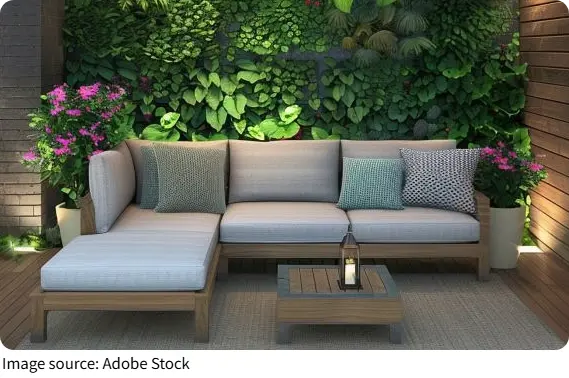
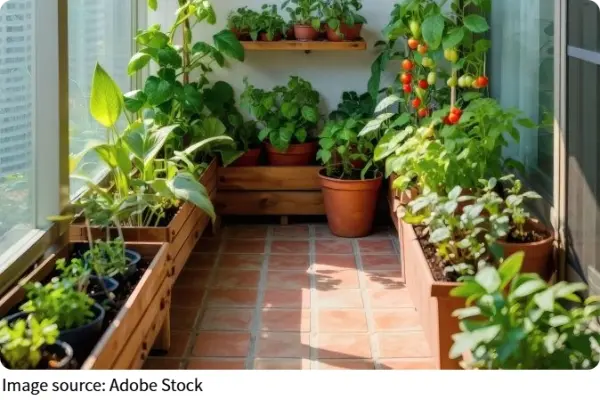
Vertical gardening is a creative way to bring fresh greenery into your home or outdoor space without taking up extra square footage, and one of the most popular methods is with wall-mounted planters.
Think of it as gardening for people who don't have a backyard but still want to flex their green thumb. And the best part? These vertical gardens can improve air quality, reduce noise, and even boost your sense of well-being.
Pick the Perfect Spot
The first step in creating a living wall design is selecting the right spot, as a vertical garden depends on the environment around it, so think about sunlight, wall stability, and access to water before hanging your wall-mounted planters. You wouldn't plant tomatoes in a dark closet, right?
Related
 Simple and effective care techniques to help multi-stem carnations stay fresh, vibrant, and beautiful for longer at home
 Popular houseplants linked to prosperity, positivity, and natural beauty at home
 Transform your tiny outdoor space into a fragrant paradise. These tricks work even if your balcony is the size of a bath mat.
 Transform your space using color and soft furnishings. Simple tricks that make a big difference and keep your budget happy.
 Essential Kitchen Tools That Make Meal Prep Faster and Easier
 Practical and creative storage ideas for small spaces, from under-bed bins to wall-mounted shelves.
The same logic applies here. Most plants need 4 to 6 hours of direct light each day, but if your wall is in partial shade, opt for more shade-tolerant varieties. Also, make sure your wall can actually handle the weight of soil, water, and planters once everything's in place.
Choose Your Planters Wisely
Choosing the right wall-mounted planters is key to bringing your living wall design to life. Wall-mounted planters come in various materials such as plastic, metal, wood, ceramic, and composite finishes, so choose a material that matches your décor and, if outdoors, can stand up to the elements. Keep in mind that heavier options like wood put more strain on walls, while lightweight composites are easier to mount.
Size matters too. Mixing planter sizes adds depth and accommodates different plant types, but soil in smaller planters tends to dry out faster and may need more frequent watering. And don't forget drainage. Proper drainage is essential for plant health, so for outdoor vertical gardens, use planters equipped with drainage holes to prevent waterlogging.
Plant Selection Is Half the Battle
Not all plants are cut out for vertical life. Popular plants for living walls include ferns, ivy, pothos, spider plants, succulents, and bromeliads, all known for their ability to thrive in vertical gardens while adding texture, movement, and color. Pick plants based on your light conditions and climate, and mix textures for visual interest. Trailing plants look gorgeous cascading down, while upright varieties add height and structure.
Installation and Layout
Once you've chosen your wall-mounted planters, it's time to install them, starting by following the manufacturer's instructions to ensure proper mounting. Evenly space your planters so the design feels balanced and plants have room to grow, considering the mature size of each plant during the installation process. Double-check that your wall and mounting hardware can handle the combined weight of soil, water, and plants, and if you're using heavier materials like wood or ceramic, reinforce with sturdy brackets or a support frame.
Bring It to Life
It's now time to bring your living wall to life by filling each planter with a high-quality potting mix designed for your chosen plants and positioning plants according to their specific needs, giving trailing varieties room to cascade naturally and upright types enough space to grow tall.
Keep It Thriving
Once your wall is up and running, maintenance is key. Keep the soil consistently moist but never waterlogged, as overwatering can lead to root rot, while too little moisture will stress plants. Regularly check for signs of pests or disease, since dense plantings can sometimes make it easier for problems to spread, so address any issues promptly to keep the wall healthy.
And don't skip feeding your plants. Use a balanced, slow-release fertilizer for steady nourishment, or apply a diluted liquid feed every few weeks to promote lush foliage.
A living wall isn't just a design trend. It's a way to reconnect with nature, even in the tightest of spaces. So grab those planters, pick your plants, and turn that boring wall into something worth staring at. Your space will thank you, and so will your lungs.