
Performance Car Great: Why?
Hello, Lykkers! Have you noticed more young people driving performance cars around town?
It's a growing trend that sparks curiosity about what really drives this obsession. Is it a genuine love for the feel of speed and control, or something tied to the pressures of social standing?
The Joy of Driving
For many enthusiasts, the appeal starts with the raw experience. A performance car offers immediate feedback through the steering wheel, the suspension, and the engine note. That push into the seat during hard acceleration or the precise carve through a turn creates a thrill that ordinary cars rarely deliver.
Young drivers often describe this as a form of active meditation, where the focus on shifting gears, braking points, and throttle application clears the mind. It's a skill-based pursuit, and the reward is a deep connection with the machine.
Related
 Three years with an electric car reveals why combustion engines feel outdated for daily driving, maintenance, and long-term savings.
 How Cars Shape Our Daily Travel and Social Life
 Real-world tests reveal how heat and cold impact electric vehicle range and what drivers need to know.
 Understand the real cost difference between charging at home and using public stations so you can make the smartest choice.
 How Artificial Intelligence, Sensors, and Data Analysis Are Making Vehicles Smarter, Safer, and More Connected
 How Advanced Engineering Helps Modern 4x4 Vehicles Conquer Challenging Terrain
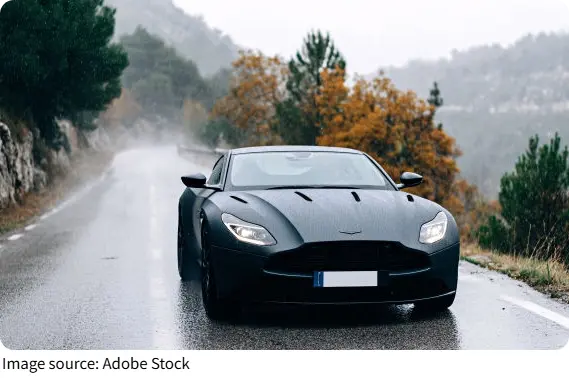
Status and Social Signals
However, there is another layer that cannot be ignored. In a culture where digital profiles often shape self-worth, a flashy car becomes a quick shorthand for success. Young people face intense comparisons online, and owning a performance model can serve as a visible marker of achievement.
This is not always about arrogance; it can stem from anxiety about not measuring up. The car becomes a shield against judgment, projecting ambition and capability even if the owner is still building their career.
Accessibility and Economics
The barrier to entry has lowered as well. Brands like Ford with the Mustang, Mazda with the MX 5, and Volkswagen with the GTI offer relatively affordable performance. The used market also gives younger buyers access to older sports cars at lower prices.
However, maintenance, insurance, and fuel costs can still strain a budget. So the decision to buy often involves trade-offs, weighing passion against practicality. This tension suggests that for some, the investment is more about image than pure enjoyment.
Community and Belonging
Car culture adds another dimension. Online groups, local meetups, and track days create spaces where young people share knowledge, help with modifications, and celebrate each other's builds. This community validates the choice and reinforces the identity of being a car person. The approval from peers can be a strong motivator, blurring the line between personal satisfaction and social acceptance.
In the end, the performance car trend among young people reflects a mix of genuine passion and social anxiety. It is rarely one thing alone. The thrill of driving is real, but so is the pressure to signal status in a competitive world. So, what do you think draws them in? Is it the road or the reflection? Next time you see a young enthusiast behind the wheel, consider the story unfolding inside the cabin.