
Basil: Flavor and Healing
Hi, Lykkers!
If you've ever tossed fresh basil into a pasta dish or sipped on a Thai noodle soup, you already know how this fragrant herb can transform a meal.
But did you know basil also brings serious health perks to the table? Let's chat about why this leafy green deserves a starring role in both your spice rack and your wellness routine.
What Makes Basil So Special?
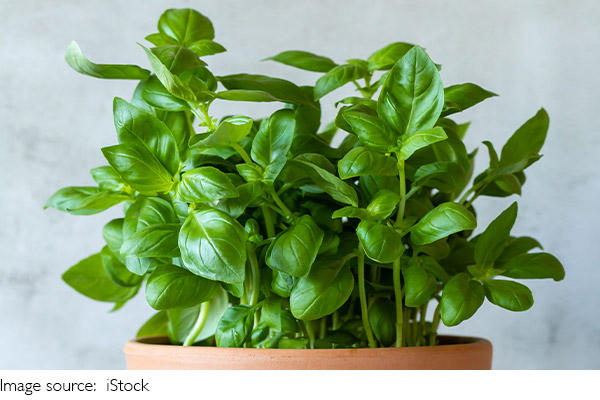
Basil, scientifically known as Ocimum basilicum, is an herb commonly used in both Italian and Southeast Asian cooking. It comes in many varieties with different flavors, colors and leaf shapes. From the classic sweet basil in your caprese salad to the bold purple basil and the revered holy basil (tulsi), each type brings something unique. Basil leaves originate from the tropical regions of Asia and Africa, and they've been loved worldwide for centuries.
Related
 Understanding the key differences between flowering and non-flowering seed plants in simple terms.
 That electric-blue flower may not stay blue for long — and the reason surprises most buyers.
 Marine protected areas are helping coral reefs recover — and the results are striking
 Tiny green worlds with survival secrets most people never notice
 How lavender's natural compounds interact with the body and why researchers continue to study its calming effects
 Discover how this gentle plant soothes, hydrates, and heals your skin naturally
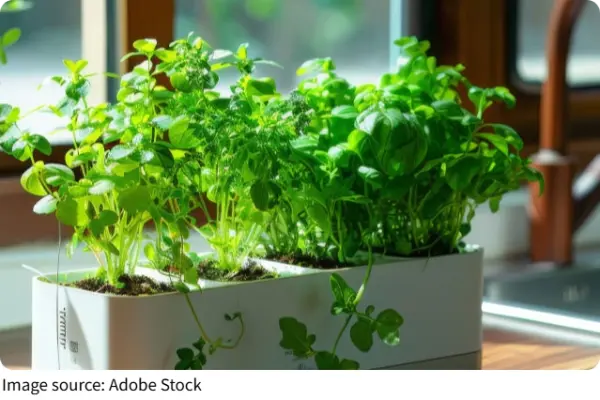
Rich in essential nutrients such as vitamin K, vitamin A, manganese, and antioxidants, basil leaves contribute to overall health by supporting immune function and reducing inflammation. You can buy basil leaves that are fresh, frozen or dried, and basil is also an easy DIY herb; all you need is a container, soil and lots of sunlight.
Health Benefits That Go Beyond Flavor
Basil contains nutrients and compounds that can help stave off chronic diseases, including cancer, diabetes, heart disease and arthritis. Basil has antibacterial and anti-inflammatory benefits, which means it can help your body fight off infections and calm inflammation naturally.
Compounds such as eugenol have been shown to block calcium channels in the body, which can in turn lower blood pressure. Taking basil extract has also been linked to lowered cholesterol levels, which can have a significant impact on heart health. So adding a handful of basil to your meals might just be a delicious way to support your ticker.
Traditionally, basil has been used in various cultures for its therapeutic benefits, including aiding digestion, relieving stress, and acting as a natural antimicrobial agent. Basil contains compounds like eugenol and cineole, which may aid in digestion, reduce bloating, and soothe gastrointestinal discomfort. Whether you're dealing with tummy troubles or just want to feel lighter after a meal, basil might lend a hand.
How to Use Basil in Your Kitchen
Fresh basil leaves can be incorporated into salads, pasta dishes, sandwiches and soups, and they can also be used to flavor vegetables, roasted chicken and fried fish. Pesto, one of the most common basil-based sauces, offers a flavorful twist to various meals such as pasta, salads, sandwiches, dips, pizza, soups, marinades and other side dishes.
When shopping for basil, choose bright green leaves that smell fresh and vibrant. To preserve basil's freshness at home, trim the stems and place the herb in a glass of water, or wrap the stems in a moist paper towel and store them in a refrigerated plastic bag. This way, you'll always have fresh basil ready to brighten up your next meal.
From Garden to Wellness
Its versatility extends from seasoning dishes like pesto and salads to being an integral part of traditional herbal medicine. In some traditional medicine practiced in South Asia such as the Indian Ayurveda tradition, holy basil (Ocimum Sanctum) is used as an herbal medicine. This speaks to the enduring trust cultures have placed in basil as both food and remedy.
Whether you're sprinkling it over your morning omelet, blending it into a vibrant pesto, or steeping it as tea, basil offers a simple yet profound way to nourish your body and delight your senses. So the next time you reach for this aromatic herb, remember: you're not just adding flavor. You're inviting a little bit of healing into your day. Happy cooking and stay well, Lykkers!