
Motorcycle Riding Gear Tech
Motorcycle riding requires specialized clothing designed to protect the rider from impact, abrasion, weather conditions, and fatigue.
Unlike regular casual wear, technical riding gear is engineered using advanced materials and construction methods to improve safety, comfort, and control during travel.
Helmet Engineering and Protection Systems
Helmets are the most critical piece of riding equipment. Modern designs use multi-layer shell construction to absorb and distribute impact energy. The inner liner is typically made from energy-absorbing foam that compresses during collisions to reduce head injury risk. Ventilation channels are integrated to maintain airflow and reduce heat buildup during long rides.
Related
 Why Do Sports Cars Reach Such Extreme Speeds? Hidden Engineering Secrets Behind Their Power and Acceleration Revealed!
 Simple parking habits and sun shields can help limit heat buildup and wear inside your car
 Why do some cars stay spotless for years? A few simple habits change everything!
 Tiny paint issues today can turn into costly damage later—spot them early!
 Why we fall for a car's looks before we even pop the hood
 A simple guide to spotting brake pad wear early and knowing when it is time to get help
Protective Jackets and Impact Resistance
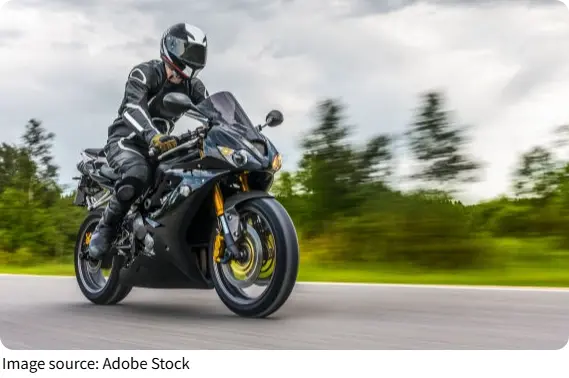
Riding jackets are designed with abrasion-resistant outer materials and reinforced impact zones at the shoulders, elbows, and back. Many include removable protective padding inserts that help absorb shock during falls. Some jackets also incorporate airflow panels or thermal liners to adapt to changing weather conditions.
Riding Pants and Lower Body Safety
Technical riding pants prioritize durability and joint protection. They often include reinforced fabric layers at high-impact areas such as the knees and hips. Flexible stretch zones are added to maintain mobility while riding, ensuring comfort without reducing protection.
Gloves and Hand Control
Motorcycle gloves improve grip, protect against abrasion, and reduce vibration fatigue. They are typically constructed with reinforced palm areas and impact protection across knuckles. Proper ventilation is important to maintain dexterity and prevent overheating during extended use.
Footwear Stability and Grip
Riding boots are engineered to protect the ankles, heels, and toes. Their structure provides stability during riding and support when stopping or balancing the motorcycle. Anti-slip soles enhance grip on different surfaces, improving control in wet or uneven conditions.
Material Technology and Weather Adaptation
Modern riding gear uses advanced synthetic fibers and layered constructions to balance protection, weight, and flexibility. Waterproof membranes are often integrated to block rain while allowing moisture to escape, helping regulate body temperature. Thermal insulation layers are used for cold-weather riding, while mesh panels improve airflow in hot conditions.
Fit and Ergonomic Design
Proper fit is essential for safety and comfort. Gear that is too loose may shift during impact, reducing protection, while overly tight clothing can restrict movement and circulation. Ergonomic shaping ensures the gear follows natural riding posture, reducing fatigue on longer journeys.
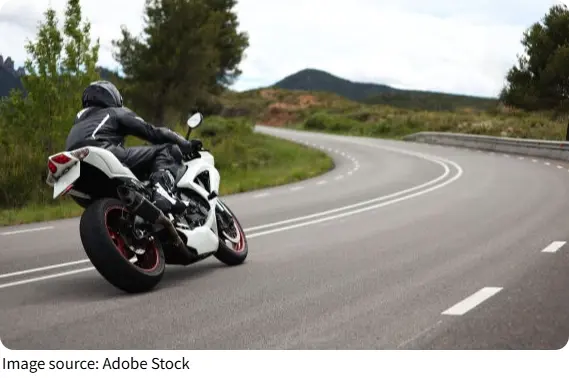
Technical motorcycle riding gear is a carefully engineered system designed to protect riders while enhancing comfort and control. Each component—from helmets to footwear—plays a specific role in reducing risk and improving the overall riding experience under different conditions.