
Design a Small Home Office
Hunching over a laptop on the sofa with the TV on in the background isn't a home office. It barely qualifies as working.
A real workspace — even a very small one — needs to be separate enough from daily household life to let the brain actually shift into work mode.
The good news is that even a modest corner of a room can be turned into a genuinely functional, pleasant space to work in.
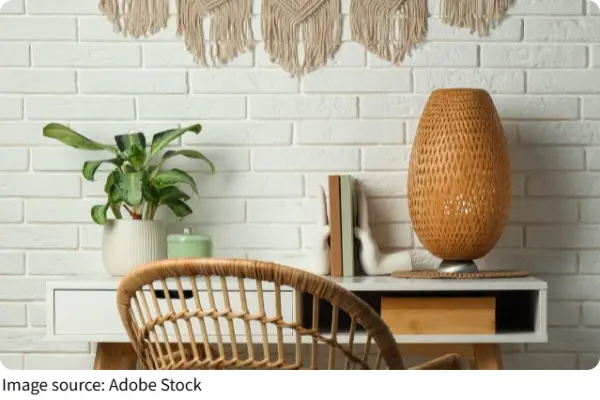
Choose a Spot and Stick to It
The first thing is identifying a dedicated location — not the kitchen counter, not the living room sofa, but an actual fixed place where work happens consistently. A corner of a bedroom, a nook carved from a closet, or a section of a spare room all work.
The brain starts to associate that spot with focus over time. Changing where you work every day resets that association and makes it harder to settle into concentration. Pick somewhere near a window if possible — natural light is genuinely valuable for both mood and eye comfort.
Related
 A calm living room comes together with wicker lounge seating, raw wood, soft texture, and less clutter
 Want a Taller Ceiling Without Renovation? The Secret Is Low Furniture and Visual Balance.
 Why do so many people love gardening? The answer may surprise more than expected!
 Want a Calm and Timeless Home? These Wabi-Sabi Furniture Ideas Can Transform Any Living Space Naturally!
 What Sofa Color Fits Your Home Best? Simple Rules, Matching Methods, and Popular Shades Explained for a Stylish Living Room!
 Create a modern living room that feels stylish, comfortable, and timeless
The Right Desk for the Space
In a small home office, the desk choice matters more than anything else. A fold-down wall desk that folds flat when not in use is ideal if the office shares space with another room — it reclaims the space entirely at the end of the day. A floating desk mounted to the wall keeps the floor clear and creates an airy feel.
A ladder desk with built-in shelves handles both work surface and storage in one narrow footprint. The key is matching the desk's footprint to the actual available space, not buying something that almost fits.
Vertical Storage Everywhere
In a small workspace, floor space is too valuable to give to furniture that could be on the wall instead. Floating shelves above the desk handle books, binders, and reference materials. A pegboard panel on the wall keeps cables, headphones, and smaller tools visible and accessible without cluttering the desktop. The area above the desk up to the ceiling is often completely unused — that's where dedicated workspace shelving should live.
Lighting Makes or Breaks It
Good lighting in a home office isn't optional. A single overhead light creates shadows over the work surface and eye strain during long hours. An adjustable desk lamp that can be positioned precisely over the keyboard or notebook is essential.
Combining that task light with softer ambient lighting in the room reduces the harsh contrast between a bright desk and a dark background. Natural light from a nearby window is ideal for daytime work — position the monitor so that the window is to the side rather than directly behind or in front to avoid glare.
Personalize It, But Keep It Clear
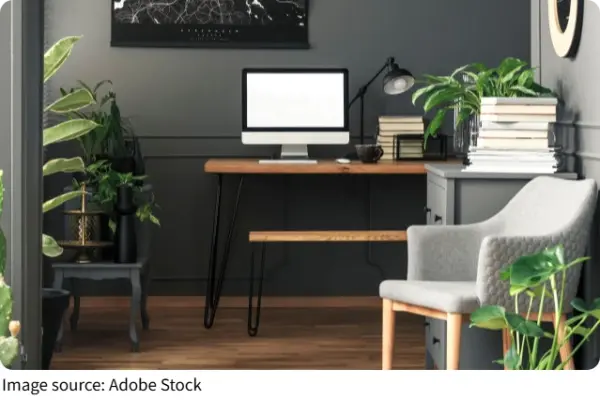
A home office that feels completely sterile is draining to sit in for hours. A plant, one framed piece of artwork, or a few objects that genuinely matter make the space feel like yours. The rule of thumb is two or three personal items — enough to make the space feel warm and inhabited, not enough to become a distraction or a cleaning problem.
Clutter on the desk surface is the single biggest drag on focus in a small workspace. Keep surfaces clear, and the space does more of the work for you.