
Why Tigers Scratch
It’s great to see you, Friends! Have you ever watched a housecat stretch up against a couch or a wooden post and sink in its claws?
It may look like simple play, but that behavior comes from instincts shared by wild cats. Now picture a tiger, weighing more than 200 kilograms, doing exactly the same thing against a tree.
For a tiger, that powerful scratch is not just a stretch—it is a way to communicate, mark territory, and leave a message for other big cats.
A tiger walked calmly toward a tree, rose onto its hind legs, and carved long grooves into the bark while amazed visitors looked on. At first glance, it seemed like an oversized version of a pet cat using a scratching post. In reality, the tiger was likely broadcasting several messages at once.
Related
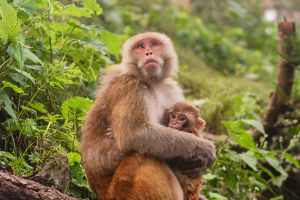 From tool use to tricky social games, these monkey facts may surprise you today!
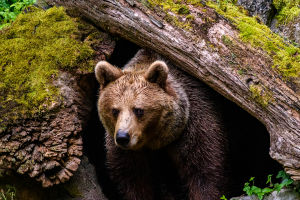 Massive paws, perfect timing! How do these bears make it look so easy?
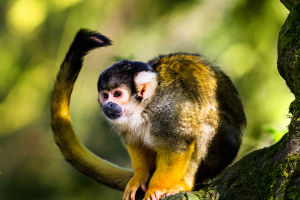 Up to 500 monkeys in one troop? Nature has surprises!
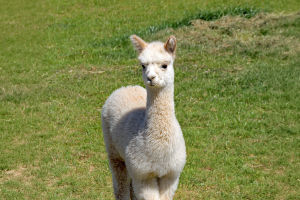 Fluffy on the outside, but what hides behind that grin? You won't expect this!
 Why spend all day digging little holes? The answer is wilder than you think!
 A giant neck wasn't an accident! Here's what shaped it.
A Living Billboard in the Forest
Unlike many social predators, tigers spend most of their lives alone. Because they rarely travel in groups, they depend on indirect ways to communicate with neighbors and rivals. Trees, rocks, and trails become natural message boards scattered throughout the forest.
When a tiger scratches a trunk, it often leaves visible marks several feet above the ground. The height of those marks is not random. A taller scratch can advertise the animal's size, giving other tigers a rough idea of who passed through the area. A young or weaker rival may decide that avoiding a confrontation is the safer choice.
For a solitary hunter, preventing a fight is often more valuable than winning one. Serious injuries can make it impossible to catch prey, so clear territorial signals help reduce dangerous encounters.
More Than Claw Marks: The Invisible Scent Message
The deep grooves in the bark are only part of the story. Between a tiger's toes and around its paw pads are specialized scent glands that produce chemical signals known as pheromones. As the claws rake downward, these glands press against the tree and leave behind a unique scent signature. To another tiger, this invisible trail can reveal that a member of its own species recently occupied the area.
Although scientists are still studying the full complexity of feline chemical communication, research has shown that scent marking plays a central role in defining territory and reproductive status. This combination of scent and visual evidence creates a durable message. Even after rainfall softens the odor, the claw marks themselves may remain visible for months.
A Display of Strength Without a Fight
Large cats do not waste energy on unnecessary battles. Instead, they often rely on displays that communicate power before physical conflict begins.
A mature tiger possesses retractable claws that can reach nearly four inches in length. These claws are essential for gripping prey during a hunt, climbing over rough terrain, and defending itself. When they slice through thick bark, they create a dramatic reminder of the animal's physical capabilities.
Wildlife biologists believe that these signs work much like warning flags. A rival encountering fresh, high scratches may recognize that the territory belongs to a large and healthy individual. Rather than challenge that owner, it may simply move elsewhere. In this way, one brief scratching session can prevent injuries for both animals.
Nature's Version of Claw Maintenance
Communication is not the only reason behind the behavior. Scratching also helps maintain the claws themselves. A tiger's claws are covered by an outer layer that gradually wears out over time. Dragging them across rough surfaces helps remove this old sheath, exposing a sharper edge beneath. The process is similar to replacing a worn tool with a freshly honed one.
Sharp claws are critical for survival. They allow the tiger to seize large prey, maintain balance during sudden turns, and climb obstacles when necessary. Even a small reduction in claw condition could affect hunting success. This practical function explains why scratching remains common even in areas where no rivals are nearby.
A Family Trait Shared by Every Cat
Domestic cats, lynxes, leopards, mountain lions, and tigers all belong to the Felidae family, and scratching behavior appears across nearly every member of the group. Although the scale changes dramatically, the instinct remains remarkably similar. Your pet cat may scratch a chair leg to leave scent, sharpen its claws, and mark its favorite space.
A tiger simply performs the same ancient ritual on a much larger canvas. This shared behavior highlights how millions of years of evolution have preserved successful survival strategies. Whether the cat weighs four kilograms or two hundred, the message hidden in the scratch remains surprisingly familiar.
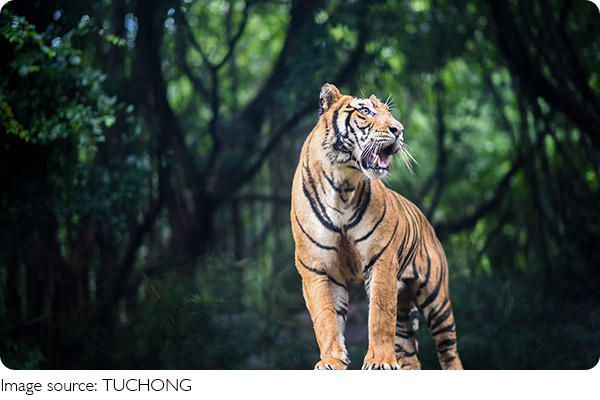
To human observers, a tiger clawing a tree may look like an ordinary stretch or a moment of playfulness. Yet that single action combines territorial defense, chemical communication, intimidation, and claw maintenance into one efficient behavior.
The next time you see your housecat kneading a sofa or watch a documentary of a wild tiger, remember: you are witnessing an ancient ritual millions of years in the making. It is a silent conversation written in bark and scent—a language older than our own.